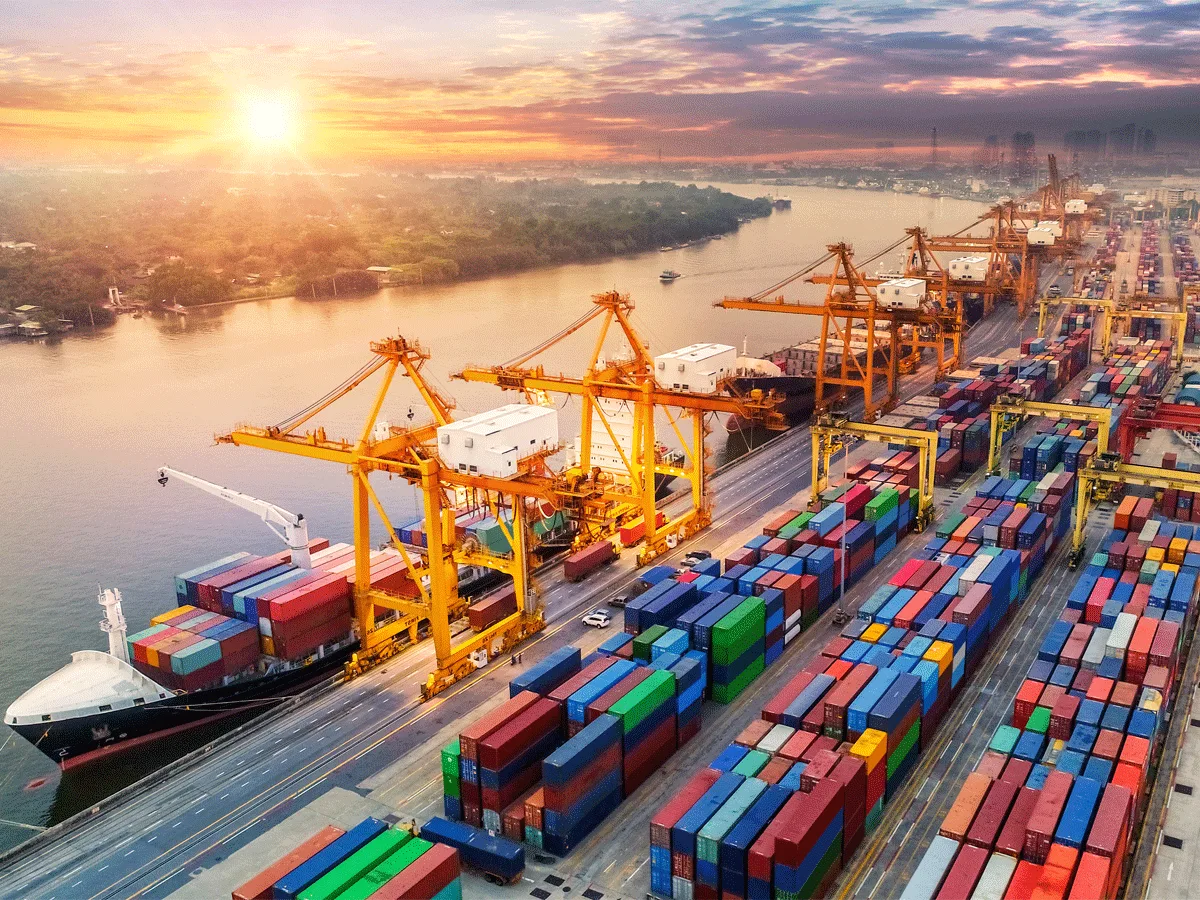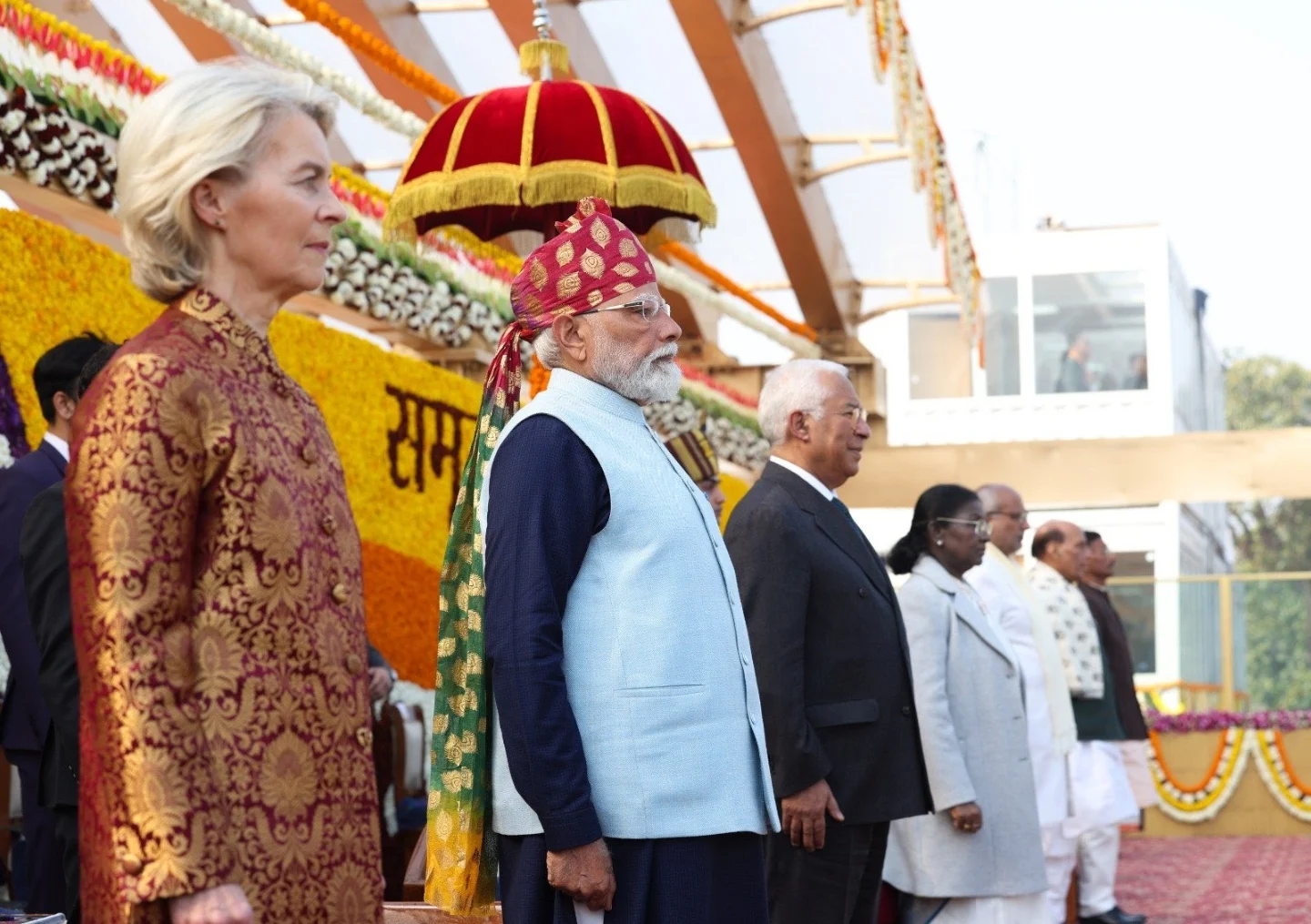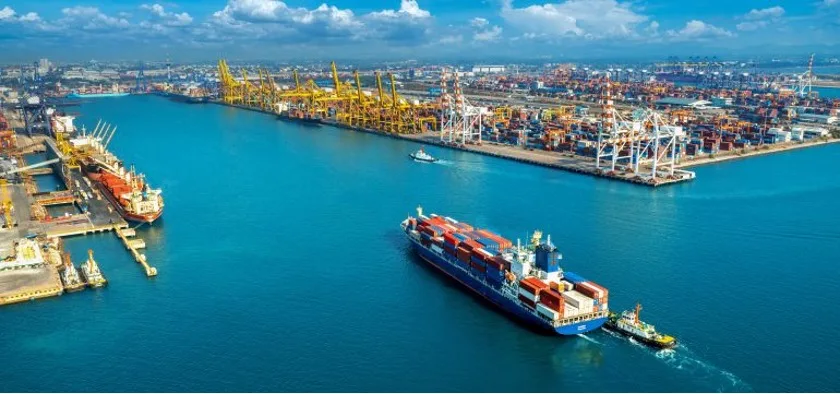

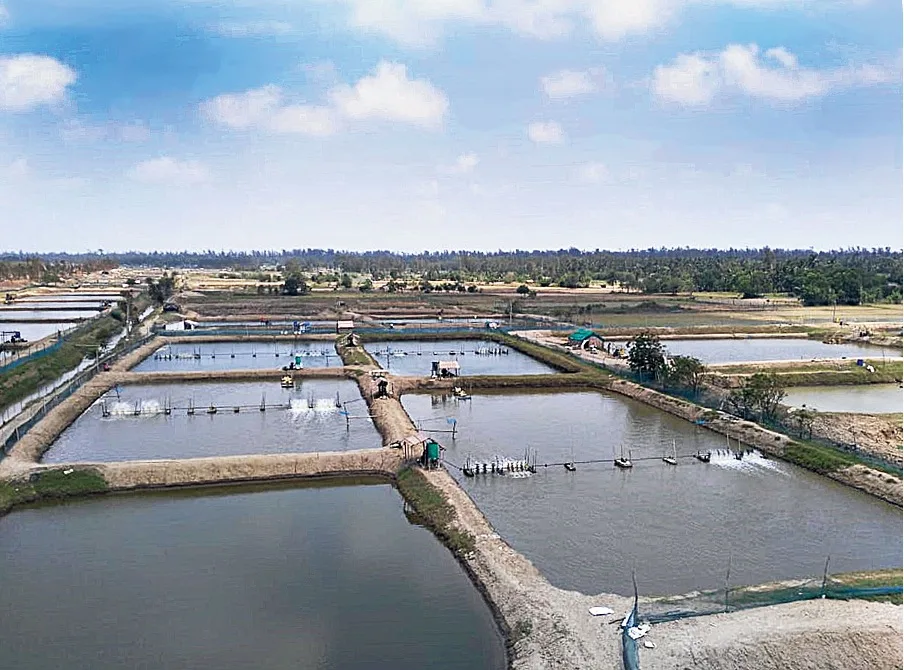
The recent reduction in United States tariffs on Indian shrimp exports, as part of a comprehensive India–US trade deal, has injected fresh optimism into Andhra Pradesh’s beleaguered aquaculture sector, particularly in the Godavari districts where shrimp farming is a major economic mainstay. After facing steep tariff rates exceeding 50 percent that had stifled export demand and slashed prices, the new trade pact’s tariff realignment — bringing duties down to around 18 percent — is expected to revitalise shipments to the US, India’s largest market for frozen shrimp. The easing of tariff barriers comes at a critical juncture for farmers, processors and exporters who have battled price volatility and lost orders over the past year.
Shrimp—particularly the Pacific whiteleg variety (Vannamei)—forms the backbone of the seafood export economy in Andhra Pradesh’s West Godavari and East Godavari districts, regions renowned for extensive aquaculture cultivation. Historically, the United States accounted for more than 35 percent of India’s shrimp exports, making Andhra Pradesh’s shrimp industry especially sensitive to tariff changes. With the new tariff regime in effect, exporters anticipate improved competitiveness in the US market, stoking demand that had waned under previous high-duty conditions. Analysts and industry bodies suggest that reduced tariffs could help restore export volumes and arrest the erosion of India’s share in a space crowded by competitors like Ecuador and Vietnam.
For farmers and traders in the Godavari districts, the tariff reprieve translates to expectations of firmer farmgate prices and strengthened income prospects. In recent months, high tariff burdens had driven down shrimp prices sharply, squeezing profit margins for aquaculture producers and slowing harvesting cycles as exporters cut back purchases. The decline had ripple effects across allied sectors — from hatcheries and feed suppliers to processing units and cold storage facilities — that employ tens of thousands of workers. The tariff reduction is poised to reverse some of these pressures by signalling renewed foreign demand and stabilising pricing structures.
Moreover, the trade deal’s broader economic implications extend beyond immediate export gains. Market confidence has seen a lift, contributing to improved sentiment across segments tied to foreign trade and rural incomes. Exporters have underscored the importance of continued engagement with international buyers to capitalise on tariff concessions, while also advocating diversification of export destinations to mitigate concentration risks. The Andhra Pradesh government has welcomed the development, emphasising policies to support aquaculture infrastructure and incentivise value-added processing that can further enhance competitiveness overseas.
Although challenges remain — including disease risks in ponds, input cost inflation and climate variability — reduced tariff barriers represent a tangible positive shift for the Godavari districts’ shrimp economy. If sustained demand from the US materialises, the sector could see renewed expansion, with robust export volumes driving investment, employment and economic resilience in one of India’s most vital seafood clusters.