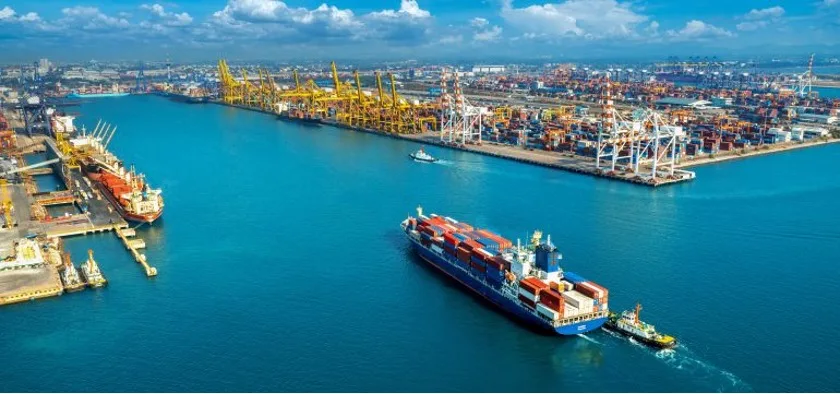

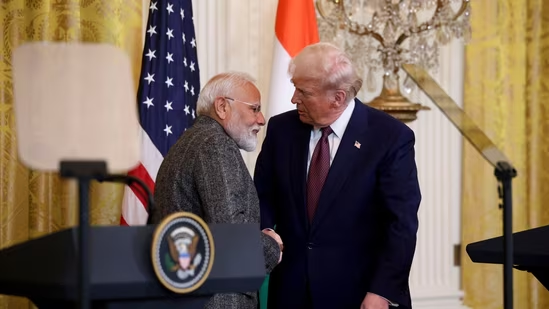
In a landmark development that underscores India’s rising stature in global trade, India and the United States have agreed to a comprehensive trade deal in early February 2026, following closely on the heels of a major agreement with the European Union just weeks earlier. The new pact — announced by U.S. President Donald Trump and Indian Prime Minister Narendra Modi — dramatically lowers reciprocal tariffs on Indian goods in the U.S. market, a step that has already catalysed strong rallies in Indian financial markets and boosted the rupee’s value against the dollar.
Under the agreement, U.S. tariffs on Indian imports will be cut to approximately 18 percent — down from punitive levels that had surged as high as 50 percent during the previous trade tensions — with India reciprocating by reducing barriers on American goods. This framework is designed to intensify bilateral trade flows, encourage diversification of supply chains and strengthen strategic economic ties between the world’s two largest democracies.
The impact was immediately visible on Indian markets: the BSE Sensex and Nifty 50 recorded some of their strongest single-day gains in months, powered by broad sectoral strength led by export-oriented industries and financials. The Indian rupee exhibited its largest one-day appreciation in over seven years, reflecting renewed confidence among foreign investors amid expectations of improved foreign capital inflows.
This U.S. trade agreement builds on momentum created by the India-EU Free Trade Agreement inked in late January 2026 after two decades of negotiation, expanding India’s preferential access to European markets. The twin deals collectively signal a strategic shift in India’s global trade architecture, amplifying market access for Indian textiles, pharmaceuticals, engineering goods, seafood and other key export sectors.
Economists and industry leaders view these developments as pivotal for India’s medium- to long-term growth trajectory. Reduced tariffs in major Western markets not only heighten the competitiveness of “Made in India” products but also strengthen investor sentiment, bolstering manufacturing, job creation and export diversification. While questions remain around implementation timelines and sector-specific outcomes, the dual trade victories in Europe and the United States reinforce India’s narrative as a resilient, outward-looking economic powerhouse poised to deepen its integration into global value chains.