Andhra Pradesh Secures Historic Rail Project Funding in 2026-27 Budget: ₹10,134 Crore Boost
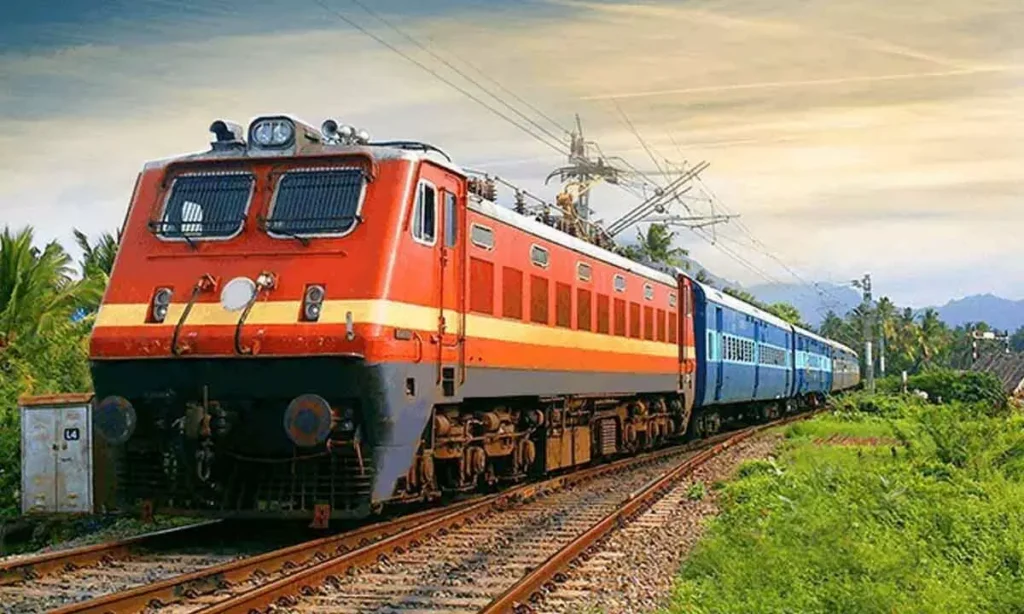
Andhra Pradesh has achieved a significant milestone in infrastructure financing with an unprecedented allocation of ₹10,134 crore for railway projects in the Union Budget 2026-27, marking the highest annual sanction for rail works in the state’s history. Railway Minister Ashwini Vaishnaw highlighted that this budgetary support comes against the backdrop of ongoing railway investments worth ₹92,649 crore across the state, encompassing expansion, modernisation and electrification initiatives. This funding surge reflects a renewed focus on rail connectivity and economic transformation in Andhra Pradesh.
The fiscal 2026-27 allocation — more than 11 times the average annual railway outlay received by undivided Andhra Pradesh during 2009–14 — is poised to accelerate crucial projects and enhance the state’s transportation landscape. The railway network in Andhra Pradesh is already 100 percent electrified, laying a strong foundation for future enhancements in service quality and operational efficiency. Officials believe the new funding will not only expedite existing works but also catalyse new initiatives aimed at improving regional connectivity and freight movement efficiency.
A major strategic benefit lies in Andhra Pradesh’s inclusion in proposed high-speed rail corridors, with two key routes — Hyderabad-Bengaluru and Hyderabad-Chennai — expected to traverse the state. These corridors are projected to transform intercity travel, drastically cutting journey times and fostering economic activity along their routes. Strengthened rail connectivity is also expected to support sectors such as logistics, tourism and manufacturing, thereby reinforcing the state’s appeal to investors and businesses.
The budgetary emphasis on rail infrastructure aligns with broader national objectives of bolstering public transport, reducing travel times and promoting environmentally sustainable modes of transit. For Andhra Pradesh, the enhanced allocation comes at a crucial juncture as policymakers prioritise infrastructure as a catalyst for equitable economic growth and job creation. Rail investments are likely to have multiplier effects, especially in semi-urban and rural regions where improved connectivity can spur local development and integrate markets.
Stakeholders within the state have welcomed the allocation as a long-awaited investment that balances national priorities with regional needs. Industry bodies and local leaders have described the funding as a pragmatic step toward bridging historical infrastructure gaps, even as broader debates continue over other budget allocations. As the fiscal year unfolds, the focus will shift to the effective execution of these rail projects and the realisation of their transformative potential for Andhra Pradesh’s economy and mobility landscape.