Jagannadhapuram, Kakinada: A Neighbourhood Shaped by Faith, History and Urban Growth
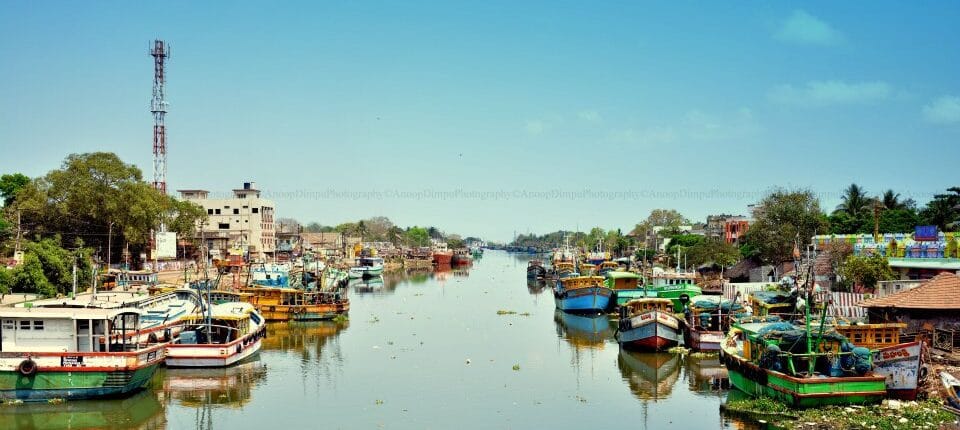
Jagannadhapuram, locally known and historically referenced as Jaggernaickpuram, is one of the oldest and culturally rich localities within Kakinada city in Andhra Pradesh. Its roots stretch back to the colonial era when the Dutch East India Company (VOC) established a trading post here as part of its broader Coromandel Coast operations. In 1734, the Nawab of Rajahmundry granted the hamlet of Jaggernaickpuram for the construction of a Dutch factory and trading lodge, marking the beginning of its recorded historical significance in international trade and colonial exchanges. The settlement later passed between Dutch and British control during the European conflicts of the 18th and early 19th centuries before ultimately becoming part of British India in 1825.
This historical legacy of trade and strategic coastal presence deeply influenced the locality’s identity. While Kakinada itself rose to prominence as a major port town as Coringa port declined, Jagannadhapuram remained integral to the city’s urban evolution, threading together its colonial past with modern civic growth. The name itself—derived from the older spelling Jaggernaickpuram—reflects this layered heritage, with “puram” signifying town or settlement, and the prefix linked to historical Dutch nomenclature and early European cartographic references.
Beyond its colonial connection, the area is steeped in spiritual and communal life, anchored by several temples and religious centres that have become focal points of local culture. Among them, the Sri Venkateswara Swamy Temple draws devotees with its Vaishnavite traditions, while the neighbourhood also hosts numerous other shrines, including local Ramalayams, Ganapathi temples and community worship sites that serve as social gathering points for festivals and daily rituals. The presence of temples underscores the settlement’s evolution not just as a trade hub but as a community shaped by faith and collective identity.
In addition to traditional Hindu temples, Jagannadhapuram and its environs are home to Sai Baba temple, reflecting the syncretic devotional practices that are part of Kakinada’s religious landscape. These spaces offer cultural continuity for devotees and contribute to the area’s reputation as a neighbourhood where heritage and modern urban life intersect.
Today, Jagannadhapuram stands as a testament to Kakinada’s layered history—from a colonial trading post on the Coromandel Coast to a vibrant residential and cultural district. Its streets echo with stories of early global commerce, centuries-old traditions of worship, and the steady rhythm of urbanisation. For residents and visitors alike, the area captures the essence of Andhra’s coastal heritage: a blend of history, community, and enduring cultural spirit that continues to shape everyday life in contemporary Kakinada.