Kakinada’s Green Ammonia Revolution: India’s Gateway to Clean Energy Exports
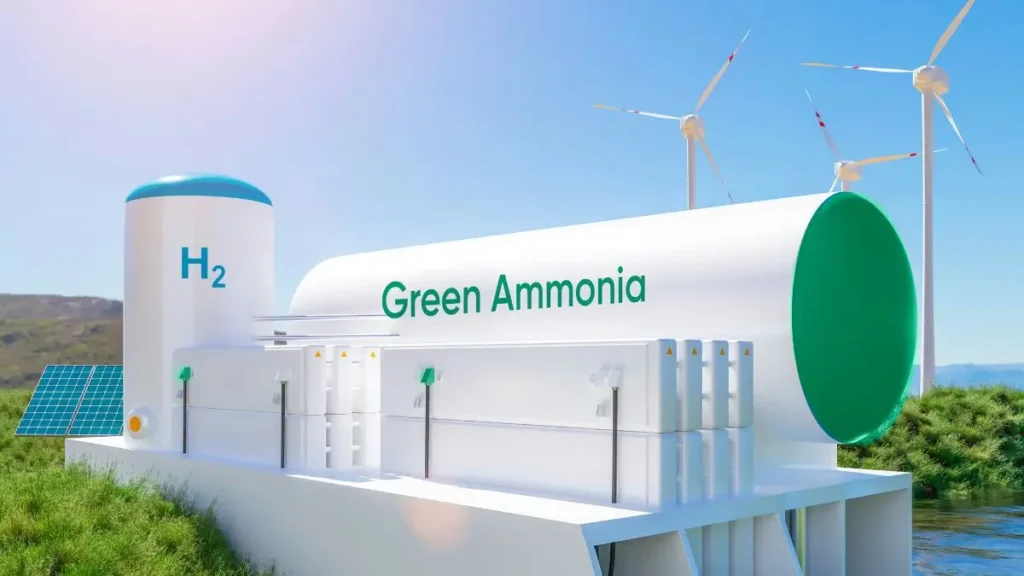
Kakinada in Andhra Pradesh is emerging as one of India’s most consequential clean-energy hubs with the development of a massive green ammonia and green hydrogen project poised to reshape the country’s industrial and export landscape. Spearheaded by AM Green Ammonia B.V., a venture backed by the founders of the Greenko Group alongside global investors, the project has crossed significant milestones including a Final Investment Decision (FID) and the start of major construction activities.
The initiative stands out not only for its scale but also for its strategic ambition. With a planned investment of around $10 billion (approximately ₹84,000 crore), the complex is being developed through the conversion of an existing ammonia-urea facility into a green ammonia production ecosystem. The phased commissioning roadmap targets 0.5 million tonnes per annum (MTPA) by 2027, scaling up to 1.5 MTPA by 2030, positioning it among the largest green ammonia facilities worldwide.
At the core of this transformation is the integration of renewable energy generation and advanced technology. The project will harness solar and wind energy, electrolyser systems and pumped hydro storage to produce green hydrogen, which is then converted into green ammonia. This carbon-free pathway aligns with India’s National Green Hydrogen Mission and serves broader global decarbonisation goals by enabling low-carbon fuel for sectors such as shipping, power generation and industrial chemicals.
Beyond energy, the project’s impact extends to economic growth and employment. Authorities estimate up to 8,000 jobs during the construction phase and significant long-term opportunities in operations, logistics, port services and allied sectors. The Andhra Pradesh government has provided strong policy support under its Integrated Clean Energy framework, reinforcing the state’s bid to become a national green hydrogen and ammonia hub.
On the global stage, Kakinada’s green ammonia is set to serve burgeoning demand in key markets such as Germany, Japan and Singapore, supported by long-term supply agreements such as the offtake deal with German utility Uniper for up to 500,000 tonnes per year. These export pathways underscore India’s transition from a predominantly fossil-based energy economy to a clean-energy exporter, enhancing the country’s role in international decarbonisation efforts.
In essence, the Kakinada green ammonia project is more than an industrial facility—it is a strategic linchpin in India’s clean-energy ambitions. By leveraging renewable resources, cutting-edge technology and international partnerships, it exemplifies how India can unlock new economic frontiers while contributing meaningfully to global climate goals.